
During immune responses, germinal centers generate memory B cells and plasma cells that establish humoral memory. IgE cell differentiation, however, does not conform to this canonical pathway, as true IgE memory cells are rare. Instead, affinity-matured IgG memory cells can switch to IgE upon activation, giving rise to pathogenic high-affinity IgE plasma cells. The Lafaille Lab identified a specialized population of “type 2” IgG memory B cells that express CD23 and IL4R, contain allergen-specific clones, and can switch to IgE upon activation. These cells serve as reservoirs of pathogenic IgE precursors. The Lab is currently studying the cellular and microenvironmental signals that drive their differentiation into IgE plasma cells, as well as how this process can be therapeutically targeted.
The Generation of High-Affinity IgE: Type 2 Memory B Cells
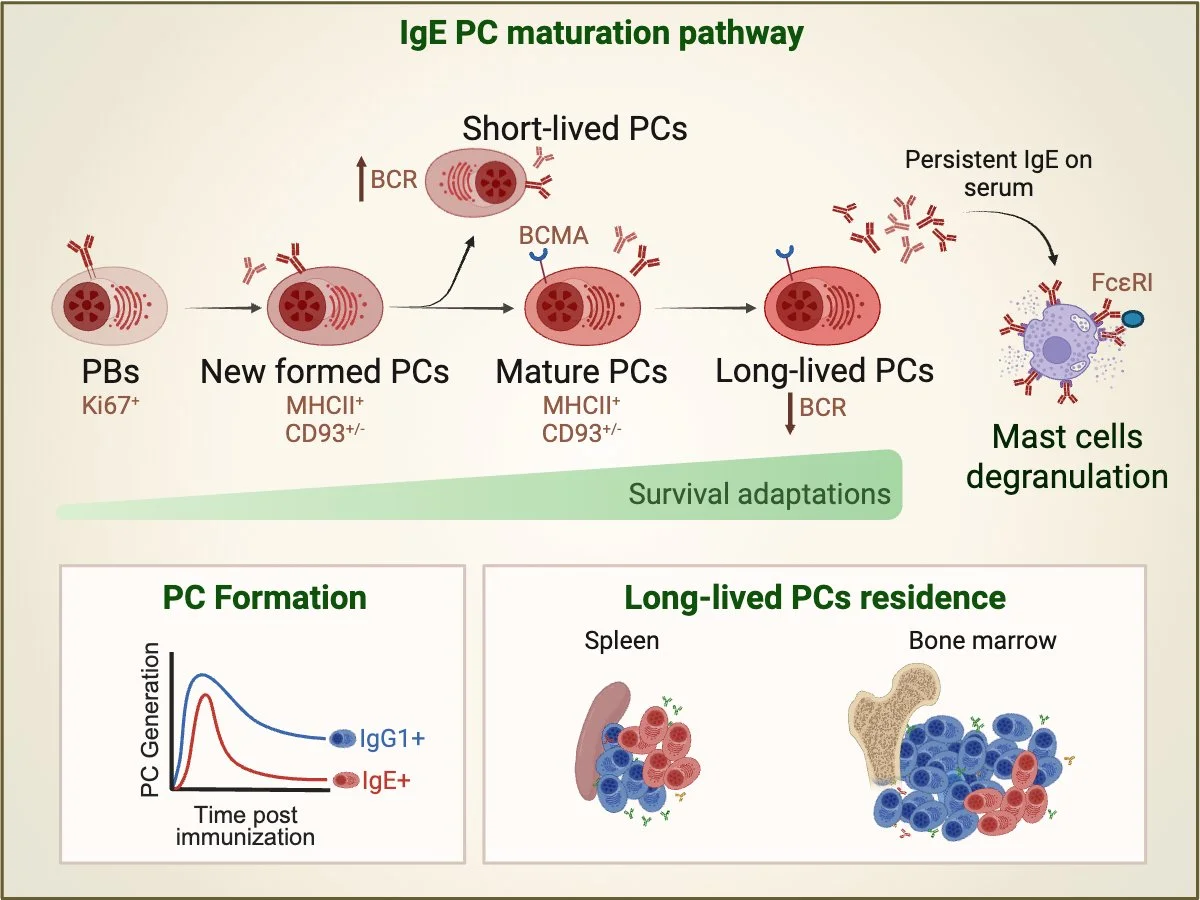
Long-lived IgE plasma cells
Most IgE-producing cells exist as plasma cells. While most IgE plasma cells are short-lived, rare long-lived IgE plasma cells form and preferentially reside in secondary lymphoid organs rather than the bone marrow. Repeated antigen exposure is typically required to generate high-affinity, long-lived IgE plasma cells, which are an important component of IgE memory and allergy persistence. IgE plasma cells display a distinct profile characterized by increased ER stress responses, protein synthesis, and glycosylation, consistent with their high rates of antibody secretion. The Lafaille Lab is investigating how these features influence plasma cell lifespan and why only a small fraction of IgE plasma cells become long-lived. Using mouse models for fate mapping and tracking of plasma cells and germinal center-derived B cells, we study whether longevity is determined at the time of formation or acquired through interactions with specialized survival niches.
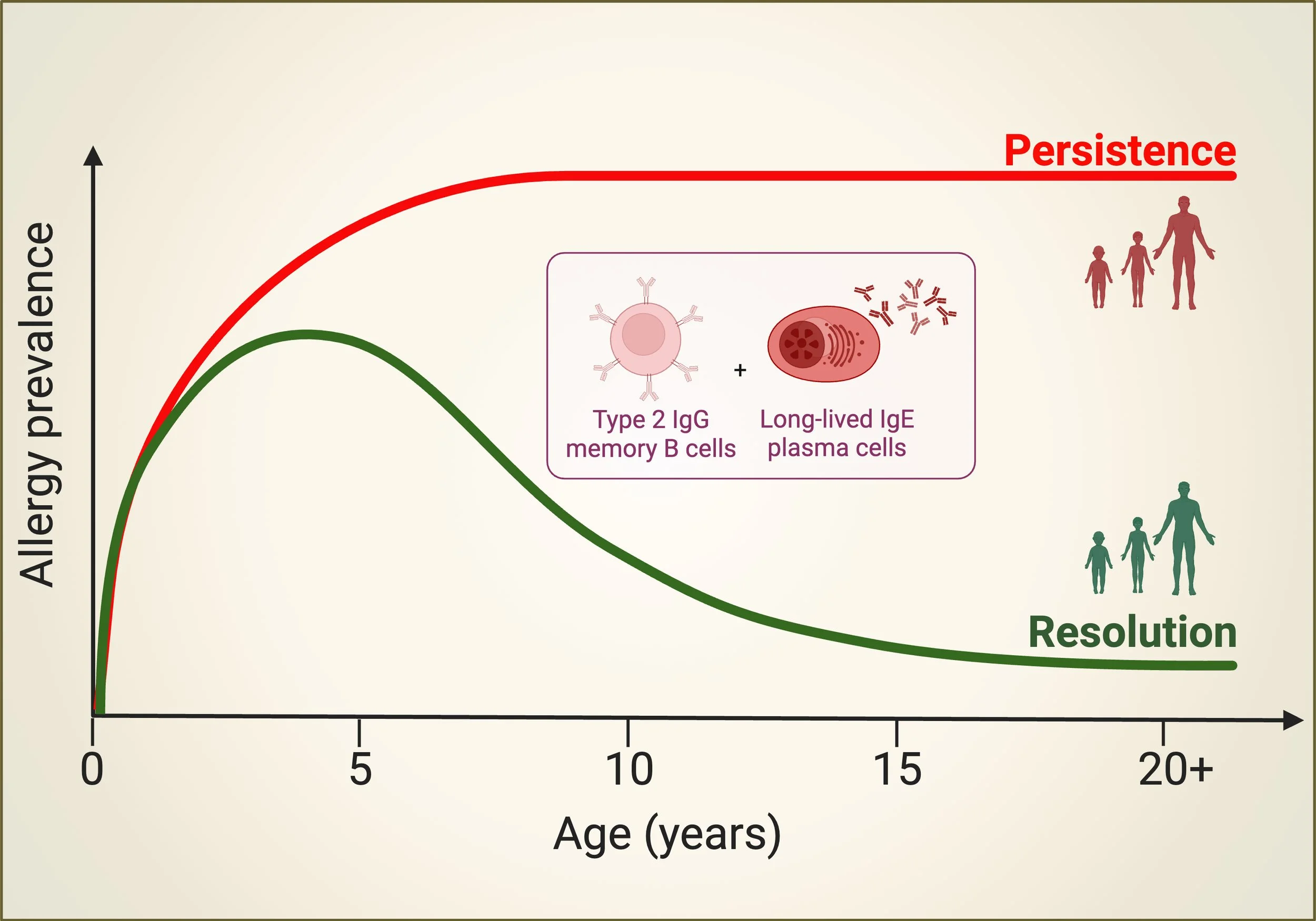
The incidence of food allergy has increased in recent decades, and food allergic reactions are now the most common cause of anaphylaxis. Most food allergies develop during childhood; however, while some resolve spontaneously, others persist. The Lafaille Lab hypothesizes that food allergy persistence is driven by the maintenance of high-affinity food-specific type 2 IgG memory B cells capable of switching to IgE, together with long-lived food-specific IgE plasma cells. Current studies aim to identify allergen-specific B cell memory profiles associated with spontaneous resolution, oral immunotherapy (OIT)-induced resolution, or persistence of peanut allergy. These studies may reveal baseline predictors of disease outcome as well as longitudinal changes associated with allergy resolution or persistence.
Pediatric Food Allergy: persistence vs resolution
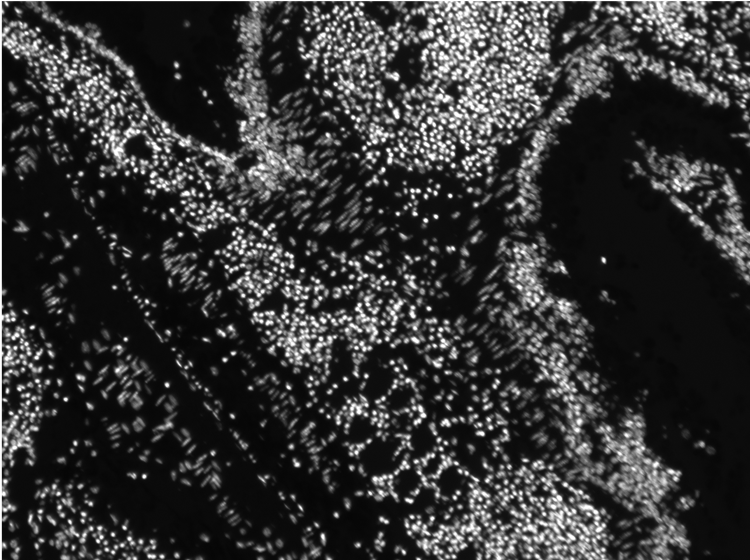
Mechanisms of Lung Pathology in Allergic Inflammation
We are interested in understanding the immunopathological mechanisms that drive allergic inflammation in the lung. Chronic allergic asthma is associated with permanent alterations in lung structure and function, a process known as lung remodeling. Persistent activation of pathways involved in lung development and tissue repair, together with altered cytokine signaling, may contribute to these changes. Our goal is to identify critical interactions between type 2 inflammation and tissue repair pathways in lung pathology. To address these questions, we have established mouse models of asthma using clinically relevant allergens, including house dust mite and fungal extracts, as well as a model of LPS-induced lung injury.